Mastering Visual Impact with Limited PSD 3D Editable Text Effects
In the fast-paced world of digital design, first impressions are often formed within milliseconds. Whether you are scrolling through social media, browsing an e-commerce store, or picking up a physical book, typography plays a pivotal role in capturing attention. This is where the Limited PSD 3D Editable Text Effect emerges as a crucial tool for creators who need high-quality visuals without spending hours on complex rendering processes. By leveraging pre-built Photoshop templates, designers and business owners can achieve professional-grade three-dimensional typography with minimal effort.
Understanding the Core Concept
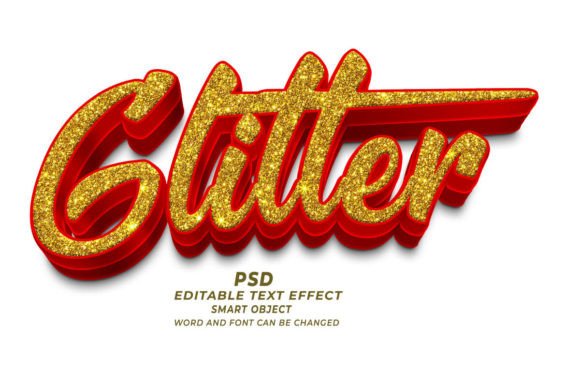
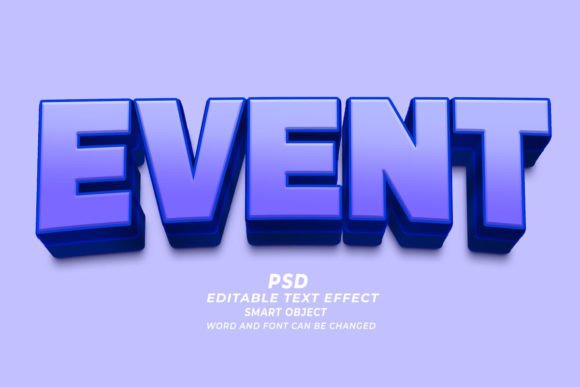
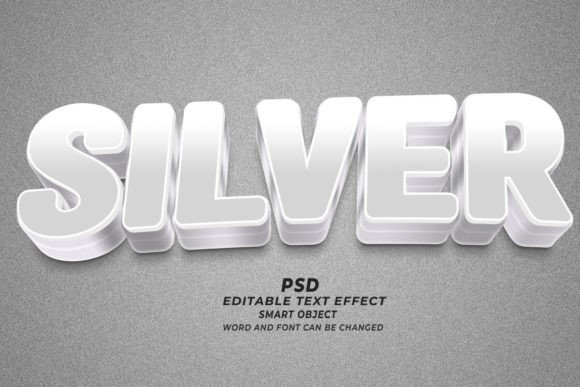
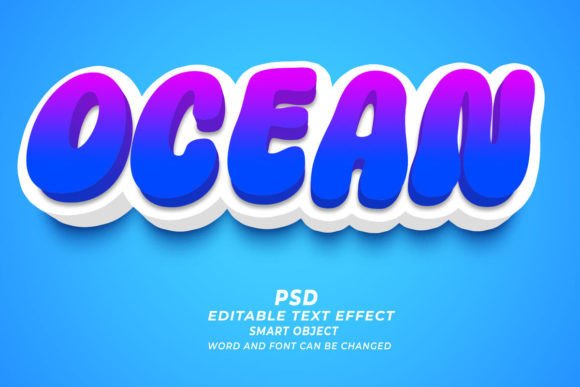
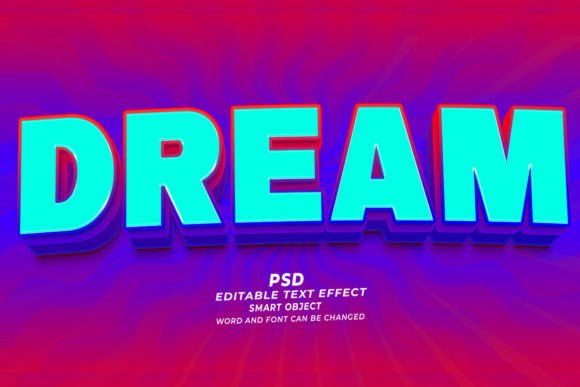
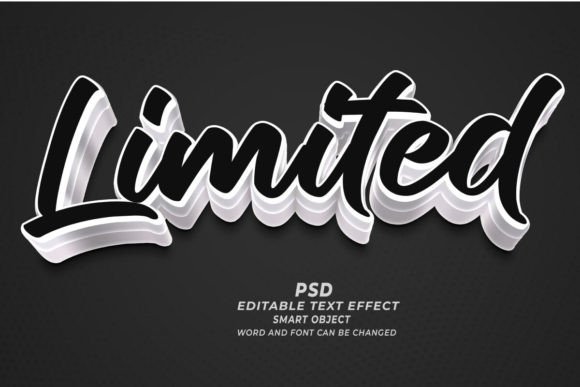
At its heart, a Limited PSD 3D editable text effect is a specialized Adobe Photoshop file that utilizes Smart Objects to automate the creation of depth, shadow, and lighting around text. Unlike traditional methods that require manual layering, beveling, and lighting adjustments, these templates come pre-configured. The user simply opens the file, double-clicks the Smart Object layer, types their desired content, and saves. The software automatically applies the 3D styling to the new text.
This approach democratizes high-end graphic design. You do not need to be an expert in 3D modeling software or have extensive knowledge of lighting physics to produce stunning results. The "editable" nature of these files means that words, fonts, and sizes can be changed easily, offering flexibility that static images simply cannot provide.
Key Features and Technical Specifications
When evaluating a quality text effect template, several technical characteristics stand out. First and foremost is the resolution. Professional templates, such as those described in our reference material, are typically rendered at High resolution 300dpi. This ensures that the final output is crisp and clear, whether it is being viewed on a retina display or printed on physical merchandise.
- Smart Object Integration: The backbone of these templates. It allows for non-destructive editing, meaning your original design settings remain intact while you swap out content.
- Font Flexibility: While some effects work best with specific typefaces, most high-quality PSDs allow you to change fonts freely. This adaptability is essential for maintaining brand consistency.
- Shape Compatibility: Beyond standard alphanumeric characters, many of these effects work with any kind of shape. This opens up possibilities for logo design and iconography.
- Easy To Edit Workflow: The "Just Click and Edit" functionality reduces the learning curve, making it accessible for beginners while saving time for seasoned professionals.
Practical Applications Across Industries
The versatility of the Limited PSD 3D Editable Text Effect makes it suitable for a wide array of projects. Its utility extends far beyond simple social media posts, penetrating various sectors of the creative and commercial industries.
Digital Marketing and Web Presence
For online businesses, visual hierarchy is key. A web banner featuring bold, three-dimensional text can significantly increase click-through rates by drawing the eye to specific calls to action. Similarly, website headers benefit from the depth and realism these effects provide, creating a more immersive user experience. Because these files are optimized for digital use, they load efficiently while maintaining visual fidelity.
Print-on-Demand and Merchandise
The rise of Print-on-Demand (POD) services has created a massive demand for unique, eye-catching designs. T-shirt designers, in particular, benefit from 3D text effects that pop against fabric backgrounds. Whether it is a streetwear brand logo or a motivational quote, the dimensional aspect adds perceived value to the garment. Furthermore, these templates are ideal for creating mockups that help sellers visualize how the final product will look before committing to production.
Publishing and Book Covers
In the competitive world of self-publishing, particularly on platforms like Amazon KDP (Kindle Direct Publishing), the cover is the primary sales tool. A KDP Book Cover Design utilizing 3D typography can convey genre and tone instantly. Thrillers might use sharp, metallic 3D letters, while romance novels might opt for softer, embossed styles. The ability to quickly iterate on different titles and author names using an editable PSD allows authors and designers to test multiple concepts rapidly.
Who Benefits Most from These Tools?
While the immediate beneficiary is the graphic designer, the ripple effect of efficiency touches many roles. Business owners who manage their own marketing can create professional materials without hiring external agencies for every small task. Content creators and influencers can maintain a consistent aesthetic across their channels by using a unified set of text effects. Even educators and trainers can use these tools to create engaging presentation slides and educational materials that hold students' attention.
For professionals, the value lies in time management. Instead of spending hours constructing a 3D effect from scratch, a designer can use a Limited PSD 3D editable text effect as a starting point, customizing it to fit the client's needs in minutes. This efficiency allows agencies to take on more projects or dedicate more time to strategic creative direction rather than repetitive technical tasks.
Evaluating Suitability and Limitations
While these tools are powerful, it is important to understand their scope. They are not a replacement for custom 3D modeling when highly specific, non-standard geometries are required. However, for 90% of marketing and design needs, they offer an optimal balance of quality and speed.
One consideration is the "Limited" aspect often found in these bundles. This usually refers to a curated collection of styles rather than an infinite generator. Users should review the included styles to ensure they align with their brand identity. Additionally, while fonts can be changed, some extreme 3D perspectives may require minor manual tweaking if a very wide or very narrow font is selected. Understanding these nuances helps set realistic expectations.
Best Practices for Implementation
- Choose the Right Font: Not all fonts render well in 3D. Bold, sans-serif fonts often produce the cleanest results, while intricate scripts may lose detail in the extrusion process.
- Mind the Contrast: Ensure that the 3D text stands out against the background. Use lighting and shadow settings within the PSD to enhance readability.
- Check Resolution Requirements: Always verify that the output size matches your intended medium. A 300dpi file is perfect for print, but you may need to downsample for web use to optimize loading speeds.
- Experiment with Colors: Don't be afraid to adjust the hue and saturation layers included in the PSD to match your brand palette perfectly.
Conclusion
The Limited PSD 3D Editable Text Effect represents a significant advancement in accessible design technology. By combining high-resolution output with user-friendly Smart Object workflows, it empowers individuals and businesses to create compelling visual content efficiently. From marketing materials to book covers and apparel, the applications are vast and varied. As the digital landscape becomes increasingly crowded, the ability to produce distinct, professional-quality typography quickly is not just a luxury—it is a necessity. By integrating these tools into your creative workflow, you can elevate your visual communication and engage your audience more effectively.