Mastering Visual Impact: A Guide to the Silver PSD 3D Editable Text Effect
In the fast-paced world of digital design, first impressions are often formed in milliseconds. Whether you are scrolling through social media, browsing an e-commerce store, or picking up a physical book, the typography is frequently the hook that captures attention. Among the myriad of stylistic choices available to designers, metallic finishes hold a unique place. They convey luxury, modernity, and solidity. Specifically, the Silver PSD 3D Editable Text Effect has emerged as a versatile tool for creators who need high-quality visuals without spending hours on complex rendering techniques. This article explores what this resource is, why it matters, and how it can transform your creative workflow across various industries.
Understanding the Technology Behind the Effect
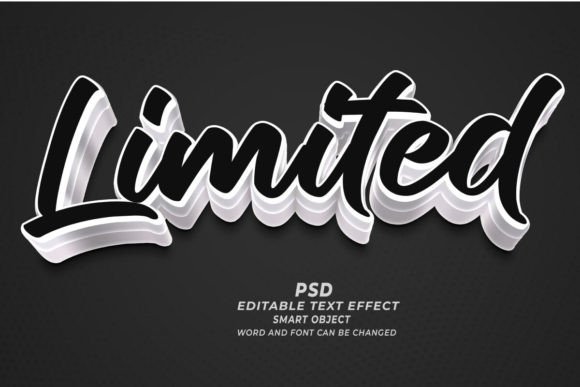
To appreciate the value of a pre-made text effect, one must first understand the complexity involved in creating it from scratch. Achieving a realistic silver look in Adobe Photoshop requires more than just applying a gray color. It involves simulating light reflection, shadow depth, and surface texture. A true 3D metallic effect relies on precise layer styles, including bevels, embossing, gradients, and noise patterns to mimic the imperfections found in real metal.
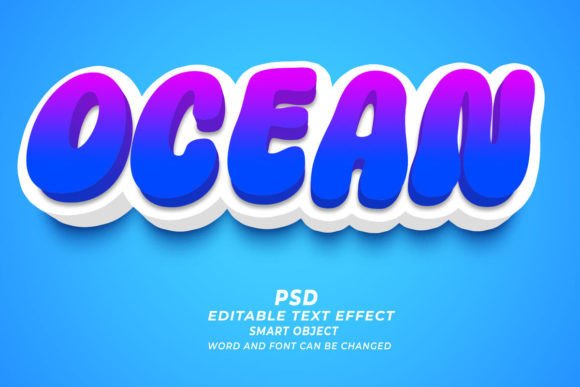
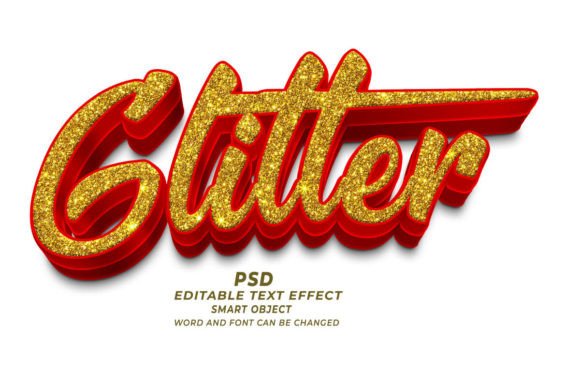
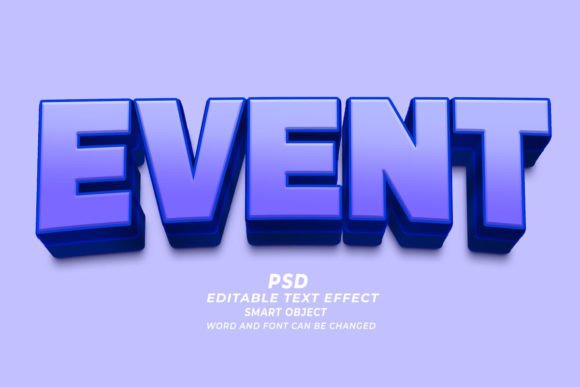
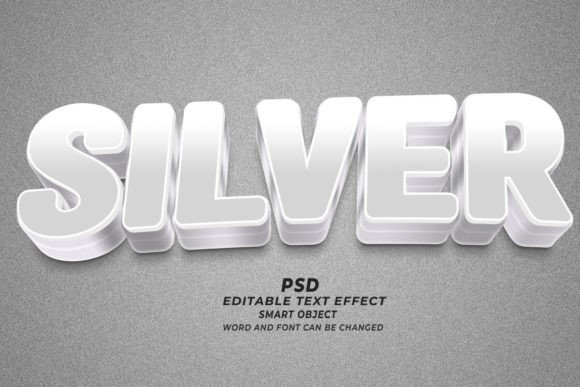
The Silver PSD 3D editable text effect simplifies this technical hurdle by packaging these complex settings into a single, user-friendly file. At its core, this resource utilizes Smart Objects. For those new to Photoshop, a Smart Object is a container that holds image data from raster or vector images. When you double-click the thumbnail of a Smart Object, it opens in a separate window. Any changes you make there—such as typing new text or altering a shape—are automatically updated in the main document, preserving all the intricate lighting and texture effects you see on the surface.
Why Silver? The Psychology of Metallic Design
Color psychology plays a pivotal role in marketing and design. While gold often signifies tradition and opulence, silver is associated with innovation, sleekness, and futuristic technology. It is neutral yet striking, making it compatible with almost any brand color palette. Using a silver finish can elevate a simple word into a statement piece, suggesting quality and precision. This is why you often see silver typography in tech advertisements, automotive branding, and high-end fashion layouts.
Practical Applications Across Industries
The versatility of this text effect extends far beyond simple graphic experiments. Because the file is high-resolution (300 DPI) and fully editable, it serves as a foundational asset for numerous professional applications. Let us explore how different sectors can leverage this tool.
- Web Banners and Digital Marketing: In online advertising, clarity and eye-catching visuals are paramount. A silver 3D headline stands out against flat backgrounds, increasing click-through rates for sales and promotions.
- Print-on-Demand (POD) and T-Shirt Design: The POD industry thrives on unique, trending designs. A metallic text effect can give apparel a premium feel, allowing sellers to offer products that look expensive without the high cost of actual metallic ink printing.
- KDP Book Cover Design: Authors publishing via Kindle Direct Publishing know that cover design is the primary driver of sales. A thriller or sci-fi novel benefits immensely from cold, sharp silver typography that hints at the genre’s tone before the reader even reads the blurb.
- Corporate Marketing Materials: From business cards to annual reports, silver accents add a touch of sophistication. It helps established companies maintain a professional image while appearing modern and forward-thinking.
How to Use the Editable Text Effect
One of the greatest advantages of this resource is its accessibility. You do not need to be a senior graphic designer to achieve professional results. The process is designed to be intuitive, following a "click and edit" philosophy. Here is a step-by-step breakdown of how to utilize the file effectively:
- Open the File: Launch Adobe Photoshop and open the provided PSD file. Ensure you have a recent version of Photoshop to guarantee full compatibility with Smart Object features.
- Locate the Smart Object: In the layers panel, look for the layer named "Your Text Here" or similar. It will have a small icon in the corner indicating it is a Smart Object.
- Edit the Content: Double-click the thumbnail. A new tab will open containing the raw text or shape. Replace the placeholder text with your own. You can change the font, size, and wording freely.
- Save and Update: Once you are satisfied with your text, save the file (Ctrl+S or Cmd+S). Return to the main document tab, and you will see your new text instantly rendered with the silver 3D effect.
- Customize Further: If needed, you can adjust the background colors or tweak the intensity of the shadows using the adjustment layers provided in the main file.
This workflow saves hours of manual labor. Instead of adjusting individual layer styles for every new project, you simply swap the content. This efficiency is crucial for agencies handling multiple clients or freelancers managing tight deadlines.
Common Misconceptions About Pre-Made Effects
There is a lingering belief among some purists that using pre-made PSD effects is "cheating" or results in generic-looking work. However, this view overlooks the strategic value of such tools. Professional designers often use these assets as a starting point, customizing them further to fit specific brand guidelines. The key is not just using the effect, but understanding how to integrate it into a broader composition. By handling the technical heavy lifting of lighting and texture, the tool frees the designer to focus on layout, hierarchy, and message.
Furthermore, the claim that these files are rigid is false. As noted, the fonts and sizes can be changed easily. You are not locked into a specific typeface. Whether you prefer bold, blocky sans-serifs for a strong impact or elegant serifs for a classic look, the silver effect adapts to the geometry of your chosen letters.
Technical Considerations for Best Results
To ensure your final output looks pristine, keep a few technical details in mind. First, always work at 300 DPI if your end goal is print. This resolution ensures that edges remain crisp and the metallic texture does not appear pixelated when viewed up close. For web use, you can downsample the image later, but starting high gives you flexibility.
Second, consider the contrast. Silver is a light, reflective color. It works best against darker backgrounds where the highlights can pop. If you place silver text on a white background, it may lose its definition. In such cases, consider adding a drop shadow or using a darker variant of the effect if available.
Finally, remember that while the effect is automated, your choice of typography matters. Complex, thin scripts may not show off the 3D bevel as well as thicker, bolder fonts. Experiment with different weights to see which renders the metallic depth most effectively for your specific message.
Conclusion
The Silver PSD 3D Editable Text Effect is more than just a digital shortcut; it is a bridge between amateur enthusiasm and professional polish. By democratizing access to high-end visual techniques, it empowers marketers, authors, and designers to create compelling visuals that resonate with audiences. Whether you are designing a website header, a t-shirt for your online store, or a book cover that needs to stand out on a crowded shelf, this tool offers the flexibility and quality required in modern design. Embrace the efficiency of smart objects, experiment with different typographic styles, and let the sleek allure of silver elevate your creative projects.