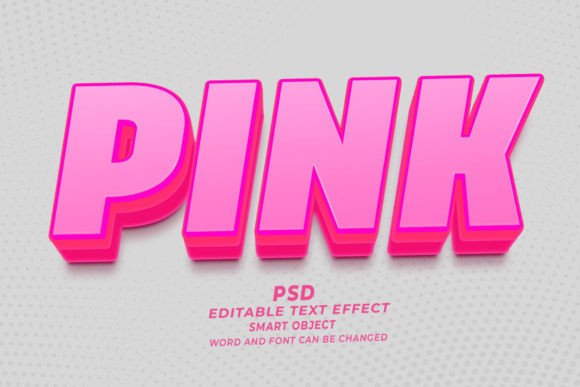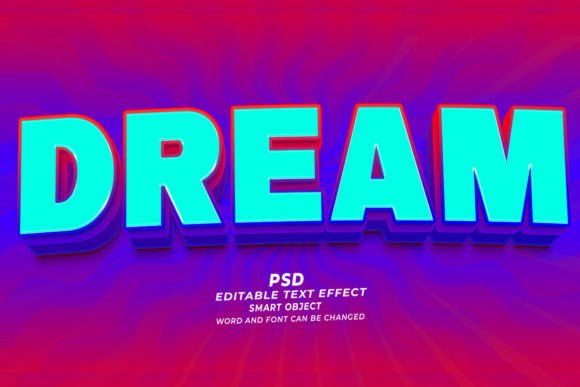
Streamlining Visual Design with Sweet Dream PSD 3D Editable Text Effect
In the fast-paced world of digital content creation, efficiency is not just a luxury; it is a necessity. Whether you are a freelance graphic designer managing multiple client deadlines, a small business owner handling your own marketing materials, or an author preparing a book cover for self-publishing, the time spent on repetitive technical tasks can significantly impact your overall productivity. This is where high-quality, pre-built assets like the Sweet Dream PSD 3D Editable Text Effect become invaluable tools in your creative workflow. By integrating this resource into your design process, you shift the focus from labor-intensive rendering to strategic visual communication.
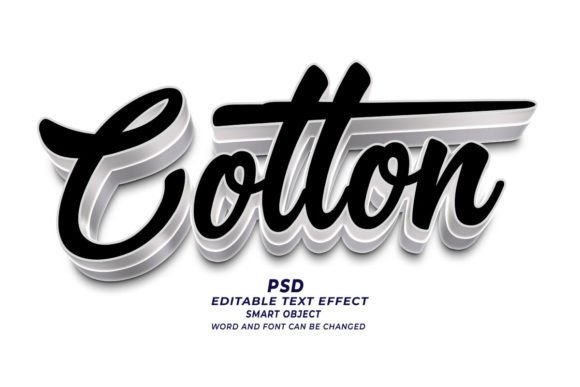
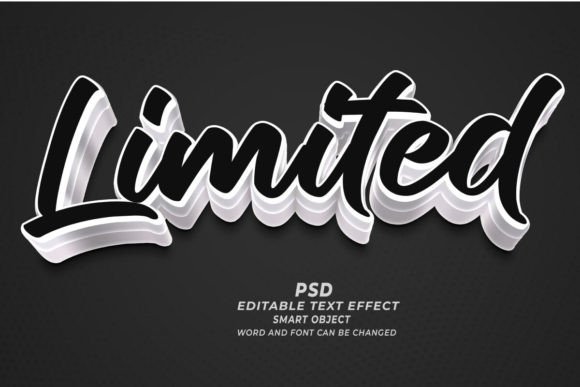
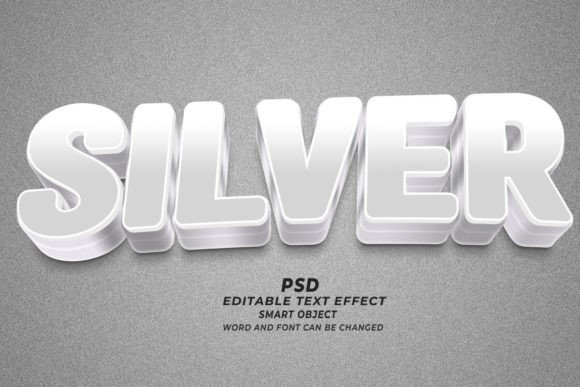
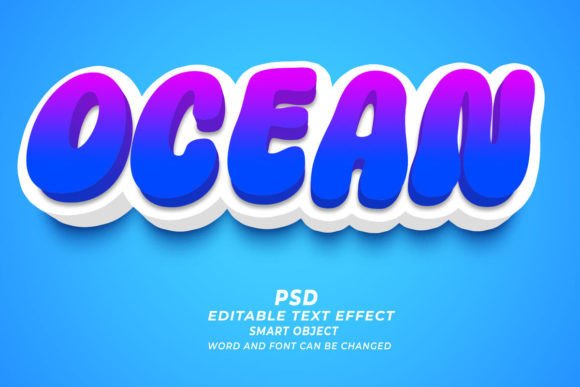
The core value of this asset lies in its simplicity and versatility. It is built using Adobe Photoshop’s smart object technology, which allows users to open the file, double-click the smart object layer, replace the placeholder text with their own, and save. The changes automatically update across the entire composition, preserving all lighting, shadows, textures, and three-dimensional perspectives. This "click and edit" functionality removes the steep learning curve associated with creating complex 3D typography from scratch, making professional-grade aesthetics accessible to creators at various skill levels.
Integrating 3D Text Effects into Your Creative Workflow
Understanding where the Sweet Dream PSD 3D Editable Text Effect fits into a broader project lifecycle is key to maximizing its utility. It is not merely a final polish tool; it can influence earlier stages of planning and decision-making. For instance, when brainstorming concepts for a website banner or a social media campaign, having access to a high-resolution, editable 3D text template allows you to visualize ideas rapidly. Instead of spending hours modeling letters in dedicated 3D software or manually painting highlights and shadows in Photoshop, you can iterate through different headlines and fonts in minutes. This rapid prototyping capability enables faster feedback loops with clients or team members, ensuring that the final direction is agreed upon before significant resources are committed.
Furthermore, this tool interacts seamlessly with other elements of your design ecosystem. Because it works with any kind of shape or text, it is not limited to standard typography. You can adapt it for logos, icons, or custom illustrations that require a tactile, three-dimensional presence. When used in conjunction with brand guidelines, the ability to easily change fonts, sizes, and colors ensures that the 3D effect remains consistent with your visual identity. This consistency is crucial for building brand recognition across various platforms, from digital ads to physical merchandise.
Practical Applications Across Industries
The versatility of the Sweet Dream PSD 3D Editable Text Effect makes it suitable for a wide array of applications. Below are several practical scenarios where this asset can enhance your output:
- Web Banners and Digital Marketing: In online advertising, grabbing attention within seconds is critical. The depth and realism provided by 3D text effects can make call-to-action buttons or promotional headlines stand out against flat backgrounds. Since the file is optimized for web use, you can export high-impact visuals that load quickly while maintaining visual fidelity.
- Print Templates and Marketing Materials: With a resolution of 300 DPI, this PSD is print-ready. This means you can use it for flyers, brochures, business cards, and posters without worrying about pixelation. The tactile look of 3D text translates well to print, adding a perceived value to physical collateral.
- Merchandise and Print-on-Demand (POD): For entrepreneurs selling T-shirts, mugs, or tote bags, unique typography is a major selling point. The editable nature of the file allows you to create niche-specific designs quickly. Whether you are targeting a specific hobbyist community or creating seasonal gifts, you can generate dozens of variations efficiently.
- KDP Book Cover Design: Self-publishing authors often need to produce professional-looking covers on a budget. A striking 3D title can serve as the focal point of a book cover, conveying genre and tone instantly. The ability to tweak the font and size ensures the title fits perfectly within the layout constraints of different book formats.
Technical Considerations and Best Practices
To get the most out of the Sweet Dream PSD 3D Editable Text Effect, it is important to understand some technical nuances. While the tool is designed to be user-friendly, certain practices will ensure higher quality results and smoother integration into your projects.
Font Selection and Compatibility: Although you can change fonts easily, not all typefaces render equally well in 3D space. Bold, sans-serif fonts typically maintain their structural integrity and readability better than thin, script-heavy fonts when extruded. Experiment with different weights to find the balance between aesthetic appeal and legibility. Remember that the font must be installed on your system for the smart object to render correctly. If you are sharing the PSD with a team, consider outlining the text or providing the font files to avoid compatibility issues.
Lighting and Environment: The 3D effect relies heavily on simulated lighting. When you replace the text, pay attention to how the new characters interact with the existing light sources. If your new text is significantly longer or shorter than the original placeholder, you may need to adjust the position or scale of the text layer within the smart object to ensure the shadows and highlights fall naturally. Small adjustments in positioning can make a substantial difference in the realism of the final image.
File Organization and Layer Management: Even though the editing process is simplified, maintaining good file hygiene is essential. Keep your original PSD intact as a master file. When creating variations for different clients or projects, save copies with clear naming conventions. This practice prevents accidental overwrites and makes it easier to revisit previous designs if needed. Additionally, since the file includes 100 editable options, organizing these layers into groups can help navigate the document more efficiently.
Enhancing Efficiency and Quality Control
One of the primary benefits of using a pre-made asset like the Sweet Dream PSD 3D Editable Text Effect is the standardization of quality. When you create 3D effects manually, there is always a risk of inconsistency due to fatigue or varying skill levels. A template ensures that every piece of text adheres to the same high standards of lighting, texture, and perspective. This reliability is particularly valuable for agencies or teams where multiple designers may be working on related campaigns.
Moreover, the time saved on technical execution can be redirected towards creative strategy. Instead of worrying about how to achieve a specific bevel or shadow, you can focus on message clarity, color psychology, and overall composition. This shift in focus often leads to more effective designs that resonate better with the target audience. For educators and trainers, this tool can also serve as an excellent teaching aid, demonstrating the principles of 3D design without overwhelming students with complex software interfaces.
It is also worth noting the long-term value of such assets. Unlike subscription-based 3D modeling software that requires ongoing payments and significant hardware resources, a PSD template is a one-time acquisition that works within the widely available Adobe Photoshop environment. This makes it a cost-effective solution for freelancers and small businesses looking to expand their service offerings without heavy upfront investment.
Final Thoughts on Implementation
Incorporating the Sweet Dream PSD 3D Editable Text Effect into your toolkit is a strategic move towards greater efficiency and creative flexibility. It bridges the gap between amateur attempts and professional polish, allowing you to deliver high-quality visuals consistently. By understanding its capabilities, respecting its technical requirements, and applying it thoughtfully across various mediums—from web banners to book covers—you can elevate your design work while maintaining a sustainable workflow. As you continue to explore its features, you will likely discover new ways to adapt it to your unique needs, further enhancing your ability to communicate visually in an increasingly crowded digital landscape.