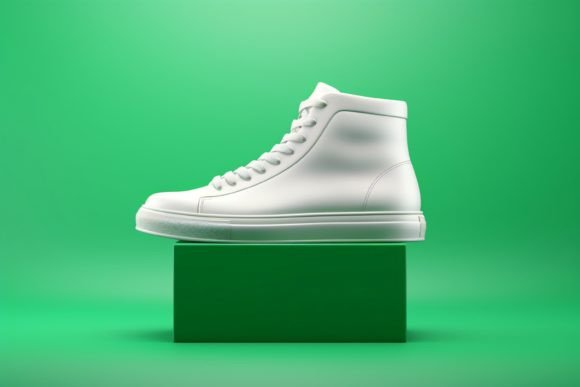
Shoe Mockup Picture: Elevating Your Design Presentations with Realistic 3D Visuals
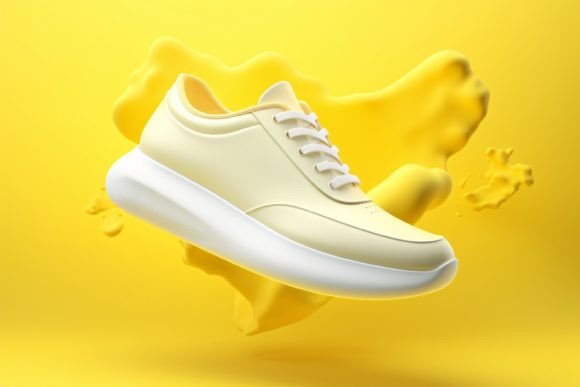
In the fast-paced world of product design and digital marketing, the gap between a concept on your screen and a tangible product in a customer’s hand is often bridged by one critical element: visualization. This is where a high-quality Shoe Mockup Picture becomes an indispensable tool for creatives. Whether you are an independent sneaker designer, a graphic artist specializing in apparel, or a marketing manager launching a new footwear line, the ability to showcase your artwork in a realistic context can make or break a sale. A blank 3D shoe mockup provides the perfect canvas, allowing you to project your creativity onto a photorealistic object without the need for expensive physical prototyping.
Why Realism Matters in Digital Design
The human brain processes visual information significantly faster than text, but it is also highly skeptical of flat, two-dimensional representations. When a client or customer sees a design slapped onto a white background, it often feels disconnected from reality. By utilizing a Shoe Mockup Picture, you introduce lighting, shadows, texture, and perspective that mimic the real world. This psychological cue tells the viewer, "This is what the final product will actually look like."
For designers, this means your portfolio stands out. Instead of showing a isolated pattern or a logo file, you demonstrate how that logo interacts with the curves of a sneaker, how the fabric absorbs light, and how the colors pop against the sole. It transforms a static image into an experience. For businesses, this realism builds trust. Customers are more likely to purchase when they can visualize the product in their lives, reducing the hesitation that often comes with online shopping.
Versatile Applications Across Industries
The utility of a blank 3D shoe mockup extends far beyond simple shoe design. Its versatility makes it a valuable asset for various creative professionals and industries. Here is how different users can leverage this resource:
- Fashion and Footwear Designers: This is the most obvious use case. Designers can test multiple colorways and material combinations instantly. Before committing to manufacturing, you can iterate through dozens of designs, placing your patterns on the mockup to see which combinations work best aesthetically.
- Graphic Artists and Illustrators: If you create unique artwork, prints, or patterns, a shoe mockup serves as an excellent merchandise preview. You can show potential buyers how your art looks when applied to wearable items, opening up new revenue streams through print-on-demand services or limited-edition drops.
- Marketing and Advertising Agencies: When pitching campaigns to footwear brands, agencies need compelling visuals. A high-resolution mockup allows marketers to create lifestyle images, social media ads, and banner graphics that look professional and polished, even before the actual product photoshoot takes place.
- E-commerce Entrepreneurs: For those selling custom sneakers or printed footwear online, product photography can be a bottleneck. Using a digital mockup allows you to populate your online store with high-quality images immediately, speeding up time-to-market.
Technical Specifications That Drive Quality
Not all mockups are created equal. The effectiveness of your presentation depends heavily on the technical quality of the source file. When selecting a Shoe Mockup Picture, resolution and format are paramount. The ideal file should be a high-resolution JPG, typically around 3000×2000 pixels. This dimensions ensures that there is enough pixel density to handle close-up views without becoming pixelated or blurry.
Furthermore, a resolution of 300 DPI (dots per inch) is the industry standard for print-ready materials. While web displays often use 72 DPI, having a 300 DPI source file gives you the flexibility to use the image for both digital marketing and physical brochures or catalogs. The RGB color mode is essential for screen-based presentations, ensuring that the colors you see on your monitor are vibrant and accurate. These technical details might seem minor, but they are the foundation of a professional-looking final output.
Streamlining Your Workflow with Photoshop
One of the greatest advantages of using a JPG-based mockup is its accessibility. You do not need complex 3D modeling software or advanced rendering skills. The process is straightforward and designed for efficiency. Simply download the file and open it in Adobe Photoshop or any other image editing application that supports layer management.
The typical workflow involves placing your design—whether it is a logo, a pattern, or a full-color artwork—on a layer above the mockup image. Using blending modes such as "Multiply" or "Overlay," you can integrate your design with the shadows and highlights of the shoe. This technique ensures that your artwork doesn’t look like it is floating on top of the image but rather conforms to the shape and texture of the shoe. For many modern mockups, smart objects are used, allowing you to double-click a layer, paste your design, and save, with the software automatically warping and adjusting the perspective for you. This ease of use empowers creators to focus on design rather than technical manipulation.
Common Considerations for Best Results
While using a Blank 3D Shoe Mockup Picture is straightforward, achieving a truly professional result requires attention to detail. One common mistake is ignoring the lighting direction. Ensure that the shadows in your design align with the light source in the mockup. If the shoe is lit from the left, your design should not have highlights on the right side unless you manually adjust them.
Another consideration is color accuracy. Screens vary in calibration, so what looks bright neon on your monitor might appear duller in print or on another device. It is wise to check your design on multiple screens. Additionally, consider the scale of your artwork. A pattern that looks great on a flat square might look distorted or cluttered when wrapped around the curved surface of a toe box or heel. Always zoom out and view the mockup at actual size to judge the visual balance.
Potential Limitations and How to Overcome Them
It is important to acknowledge that a mockup is a simulation, not a photograph of a physical object. Therefore, it may not capture every nuance of material texture, such as the specific weave of a knit fabric or the gloss level of a patent leather. To overcome this, choose mockups that closely match the material you intend to produce. If you are designing for a suede shoe, use a mockup with a matte, textured finish rather than a shiny plastic one.
Additionally, over-reliance on mockups can lead to a disconnect between digital expectation and physical reality. Always use mockups as a communication and visualization tool, but complement them with physical samples when possible for final quality assurance. However, for the vast majority of design presentations, client pitches, and online marketing, a high-quality Shoe Mockup Picture provides an unparalleled balance of speed, cost-effectiveness, and visual impact.
By integrating these realistic 3D visuals into your creative process, you elevate your work from simple concepts to compelling, market-ready presentations. Whether you are showcasing a new brand identity or testing a bold new pattern, the right mockup allows your audience to see the beauty of your artwork in a real-world context, driving engagement and confidence in your creative vision.