Mastering the Builbing Glass Wall 3d Pink Logo Mockup for Professional Brand Presentations
In the competitive landscape of modern branding, the way you present your visual identity can be just as important as the design itself. A logo sitting on a flat white background often fails to convey the texture, scale, and environmental context that clients and stakeholders need to visualize. This is where high-quality mockups become indispensable tools. Specifically, the Builbing Glass Wall 3d Pink Logo Mockup offers a unique aesthetic that blends architectural realism with a soft, contemporary color palette. However, many designers and entrepreneurs overlook the nuances of using such specialized assets effectively, leading to presentations that look amateurish rather than polished.
Understanding how to leverage this specific mockup requires more than just dragging and dropping an image file. It demands an awareness of lighting, perspective, and file management. By avoiding common pitfalls, you can ensure that your final output looks like a genuine photograph of a branded building facade, enhancing the perceived value of your design work.
The Trap of Ignoring Lighting and Shadow Dynamics
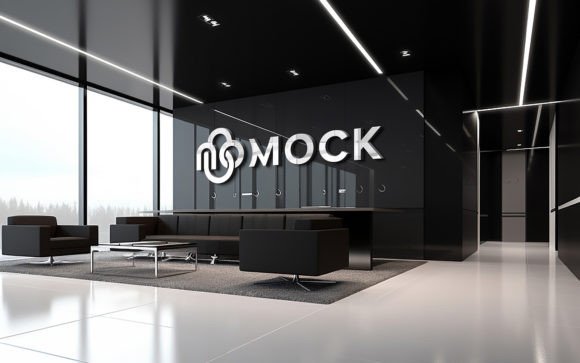
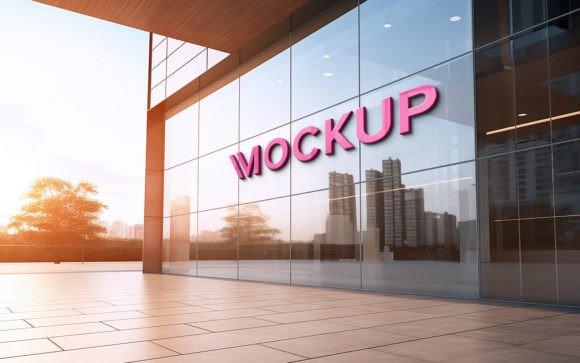
One of the most frequent mistakes users make when working with 3D realistic mockups is treating them as simple containers for their artwork. The Builbing Glass Wall 3d Pink Logo Mockup is engineered with complex lighting calculations. The pink hue is not merely a background color; it interacts with the glass texture and the ambient light sources defined in the scene. When users replace the smart object without considering how their logo’s colors interact with this specific lighting setup, the result can look pasted on or disjointed.
For instance, if you place a dark, heavy logo on this mockup without adjusting its opacity or blending modes slightly, it may appear too stark against the soft pink glass. The automatic shadows and lighting are designed to mimic reality, but they rely on the underlying design having appropriate contrast and transparency. To avoid this, always preview your design in situ. If your logo lacks depth, consider adding subtle inner glows or adjusting the layer styles within the smart object to harmonize with the mockup’s inherent lighting direction. This small adjustment ensures the logo appears to be part of the glass structure rather than floating above it.
Overlooking File Resolution and Print Readiness
Another critical oversight involves resolution. Many beginners download mockups and assume all PSD files are created equal. However, this particular pack includes files at 300 DPI, which is the gold standard for high-quality print and detailed digital displays. Ignoring this specification can lead to pixelated outputs if the user inadvertently resizes the canvas or exports at a lower quality setting.
When preparing client presentations or portfolio pieces, maintaining the integrity of the 300 DPI resolution is non-negotiable. A blurry mockup undermines the professionalism of the brand identity it is meant to showcase. Before you begin editing, check your document size and resolution settings. Ensure that any additional elements you introduce—such as text overlays or secondary graphics—are also high-resolution vector or raster images. This attention to detail preserves the crisp edges of the glass and the clarity of your logo, reinforcing the premium feel of the presentation.
Mismanaging Smart Objects and Layer Organization
The convenience of Smart Object Replacement is a double-edged sword. While it allows for no-skill-required editing, it can lead to disorganization if not handled correctly. The Builbing Glass Wall 3d Pink Logo Mockup comes with fully layered and well-organized folders. A common error is flattening layers or renaming essential folders, which can break the link between the smart object and the main composition. Once this link is broken, the automatic shadow and lighting effects may fail to update, leaving you with a flat, unrealistic image.
To prevent this, adopt a disciplined workflow. Always open the smart object by double-clicking the thumbnail, make your changes, save, and close. Avoid merging layers within the smart object unless absolutely necessary. Keep the original folder structure intact. This practice not only ensures that the mockup functions as intended but also makes future edits significantly faster. If a client requests a color variation or a different logo version, a well-organized file allows you to swap assets in seconds rather than rebuilding the scene from scratch.
Neglecting Contextual Brand Alignment
While the pink glass aesthetic is striking, it is not universally appropriate. A frequent strategic mistake is forcing a brand into a mockup that contradicts its core values. The Builbing Glass Wall 3d Pink Logo Mockup evokes feelings of modernity, creativity, softness, and perhaps a touch of luxury or femininity, depending on the brand’s positioning. Using this for a rugged industrial construction company or a conservative financial institution might create cognitive dissonance for the viewer.
Before investing time in customization, evaluate whether the mood of the mockup aligns with the brand narrative. If the brand is playful, tech-forward, or beauty-oriented, this mockup is an excellent choice. If not, consider whether the pink tone can be adjusted via hue/saturation layers to better match the brand’s primary colors while retaining the glass texture. This flexibility is one of the hidden strengths of high-quality PSDs, but it requires a proactive approach to color grading rather than passive acceptance of the default look.
Best Practices for Maximizing Utility
To get the most out of this resource, follow these practical steps:
- Verify Compatibility: Ensure you have a version of Photoshop that supports smart objects and 3D features if applicable. While this mockup is primarily 2D with 3D rendering, newer Photoshop versions handle smart filters more efficiently.
- Test Multiple Variations: Use the ease of editing to create A/B tests. Try your logo in white, black, and full color to see which contrasts best against the pink glass.
- Check Licensing: Always review the license terms for personal and commercial use. Understanding usage rights prevents legal issues down the line, especially if you are using this for client work.
- Provide Feedback: As requested by creators, rating the product helps improve future updates. Constructive feedback can lead to better features in subsequent packs.
In conclusion, the Builbing Glass Wall 3d Pink Logo Mockup is a powerful tool for elevating brand presentations. By respecting the lighting dynamics, maintaining high resolution, preserving layer organization, and ensuring contextual alignment, you can transform a simple logo file into a compelling visual narrative. Avoid the common shortcuts that lead to mediocre results, and instead, embrace the detailed capabilities of this asset to deliver professional, impactful designs that resonate with your audience.