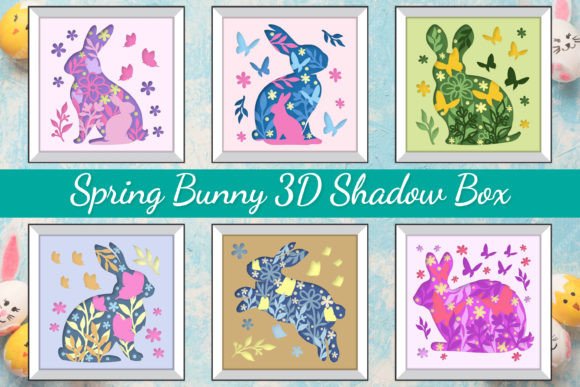
Crafting Depth: The Spring Bunny 3D Shadow Box
There is a distinct satisfaction in watching a flat sheet of material transform into something with depth, texture, and narrative. For crafters, designers, and small business owners, the Spring Bunny 3D Shadow Box represents more than just a seasonal decoration; it is a testament to the versatility of modern digital fabrication. As we move away from mass-produced decor toward personalized, handmade aesthetics, layered paper art has surged in popularity. This specific design capitalizes on that trend, offering a charming yet sophisticated way to celebrate the arrival of spring.
Whether you are a hobbyist looking to enhance your home decor or an entrepreneur seeking unique products for your Etsy shop, understanding the mechanics and potential of this shadow box design is crucial. It is not merely about cutting shapes; it is about orchestrating light, shadow, and perspective to create a scene that draws the viewer in.
The Mechanics of Layered Design
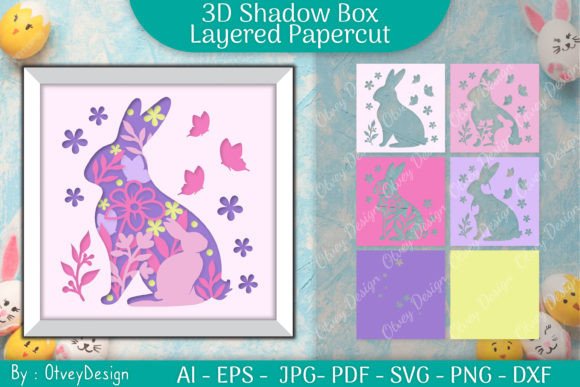
At its core, a 3D shadow box relies on the principle of parallax and layering. By stacking multiple sheets of cardstock or vinyl with varying degrees of spacing, you create an illusion of three-dimensional space within a confined frame. The Spring Bunny 3D Shadow Box utilizes this technique to bring a whimsical springtime scene to life. Typically, the design features a foreground with detailed bunny silhouettes, mid-ground elements like flowers or eggs, and a background that sets the tone, often featuring soft pastels or scenic landscapes.
The success of such a project hinges on the precision of the cut files. This is where the quality of your digital assets becomes paramount. A well-designed file ensures that intricate details—such as the curve of a bunny’s ear or the petals of a tulip—are preserved without tearing or jagged edges. When you download a comprehensive package including AI, PDF, EPS, JPG, PNG, SVG, and DXF formats, you are equipping yourself with the flexibility to work across various platforms and machines.
Versatility Across Cutting Platforms
One of the strongest advantages of having access to multiple file formats is compatibility. Not all crafters use the same equipment. Some prefer the intuitive interface of Cricut Design Space, while others rely on the robust capabilities of Silhouette Studio or professional-grade software like Adobe Illustrator.
- SVG and DXF: These are the workhorses for most home cutting machines. SVGs are ideal for Cricut users, offering clean vector paths that scale without losing quality. DXF files are often preferred by Silhouette users for their simplicity and reliability in basic cutting tasks.
- AI and EPS: For professional designers or those using industrial cutters, these vector formats allow for extensive editing. You can adjust node points, modify curves, or integrate the bunny design into larger composite artworks before sending them to print or cut.
- PNG and JPG: While not used for cutting, these raster images are invaluable for previewing the final look, creating marketing materials, or using in digital scrapbooking projects.
This multi-format approach removes technical barriers, allowing you to focus on the creative process rather than troubleshooting file conversion issues. It ensures that whether you are using a entry-level cutter or a high-end plotter, the Spring Bunny 3D Shadow Box can be produced with high fidelity.
Commercial and Creative Applications
Beyond personal enjoyment, this design holds significant commercial potential. The market for handmade, seasonal home decor is robust, particularly during the spring and Easter holidays. Here is how you can leverage this asset in various environments:
Retail and E-Commerce
For sellers on platforms like Etsy, Amazon Handmade, or local craft fairs, finished shadow boxes are high-margin items. The perceived value of a hand-layered, framed piece is significantly higher than a simple printed card. By using the Spring Bunny 3D Shadow Box files, you can create a standardized product line. You might offer variations in color palettes—soft pastels for a nursery, vibrant tones for a classroom, or monochromatic whites for a minimalist aesthetic. The consistency provided by digital cut files ensures that every unit you sell meets a high standard of quality.
Educational and Community Workshops
Educators and workshop leaders can use this design to teach principles of design, spatial awareness, and fine motor skills. Creating a shadow box requires planning: deciding the order of layers, selecting contrasting colors, and managing adhesive application. It is a practical exercise in project management for younger students and a relaxing, mindful activity for adults. The clear structure of the pre-made files allows instructors to focus on teaching technique rather than spending hours designing templates from scratch.
Custom Branding and Gifts
Corporate gifting and personalized presents are another avenue. Imagine customizing the background layer of the shadow box to include a company logo or a family name. The Spring Bunny 3D Shadow Box serves as a versatile template that can be adapted for branded merchandise. Real estate agents, for instance, might use these as closing gifts for clients who purchase homes in the spring, adding a personal touch that stands out from generic gift cards.
Practical Considerations for Implementation
While the digital files provide the blueprint, the physical execution determines the final impact. Here are some professional tips to ensure your project succeeds:
- Material Selection: Use high-quality cardstock with a weight of at least 65lb to 80lb. Thinner papers may warp or fail to hold the structural integrity needed for layering. Textured papers can add visual interest but may require slower cutting speeds.
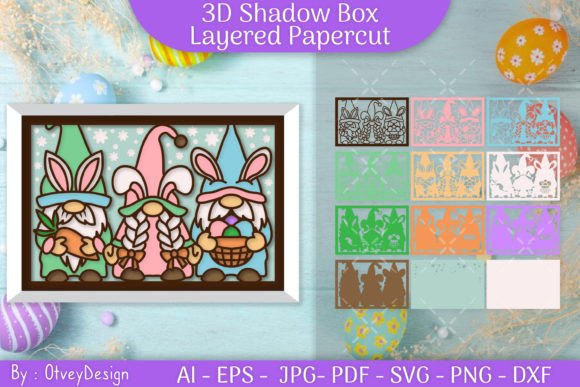
- Spacing and Depth: The "3D" effect comes from the space between layers. Use foam tape or spacer strips between each layer. Varying the thickness of the spacers can create dynamic depth, making certain elements pop forward more than others.
- Color Theory: Don’t just stick to traditional Easter colors. Consider the environment where the box will hang. A muted, earthy palette might appeal to a broader audience year-round, while bright neons might target a specific youthful demographic. Test different combinations using the PNG previews before committing to cutting.
- Framing: The frame is the stage for your art. Ensure it has enough depth (often called a "shadow box frame") to accommodate the stacked layers without crushing them. Standard picture frames are usually too shallow for this type of project.
Enhancing Efficiency and Creativity
Using pre-designed files like the Spring Bunny 3D Shadow Box does not limit creativity; it enhances efficiency. By outsourcing the technical design phase, you free up mental energy for customization and experimentation. You can swap out elements, change backgrounds, or combine this design with other seasonal assets to create unique collections. This efficiency is vital for professionals who need to maintain a steady output of new products without burning out on the design process.
Moreover, the availability of editable formats like AI and EPS means you are not stuck with a static image. You can tweak the design to fit specific frame sizes or to accommodate special requests from clients. This flexibility is a key component of providing excellent customer service in the custom decor market.
Final Thoughts on Digital Crafting
The intersection of digital precision and handmade charm is where modern crafting thrives. The Spring Bunny 3D Shadow Box is a perfect example of how accessible technology has become for creators. With the right files and a bit of patience, you can produce professional-grade decor that resonates with audiences on an emotional level. Whether you are cutting for joy, for education, or for profit, the tools are now at your fingertips. Do not hesitate to explore the possibilities these files offer. If you encounter any uncertainties regarding file compatibility or cutting settings, reaching out for clarification can save time and materials, ensuring your first attempt is a successful one.
Embrace the layering process, experiment with light and shadow, and let your creativity define the final outcome. The spring season is short, but the skills you develop through projects like this will last throughout your crafting journey.