Flower Mandala 3D Layered Paper Cut: A Practical Guide to Digital Crafting and Workflow Integration
In the evolving landscape of digital design and physical crafting, the intersection of precision technology and artistic expression has created new opportunities for creators. The Flower Mandala 3D Layered Paper Cut represents more than just a decorative item; it is a structured asset that bridges the gap between digital file management and tangible art creation. For professionals, hobbyists, and small business owners alike, understanding how to integrate this type of layered template into a broader creative workflow is essential for maximizing efficiency and achieving high-quality results.
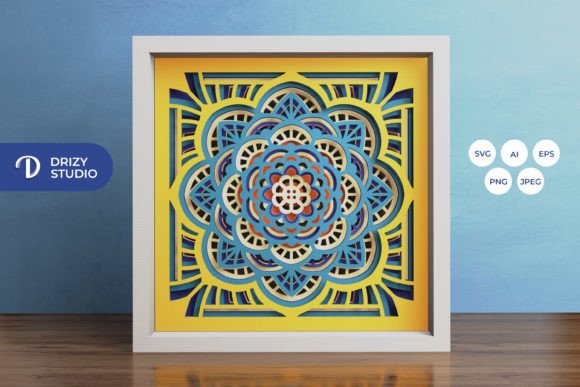
This article explores the practical application of the Flower Mandala 3D Shadow Box template, detailing its technical specifications, compatibility with industry-standard tools, and strategies for seamless implementation in both personal projects and commercial ventures.
Understanding the Asset Structure and Technical Specifications
Before initiating any project, a thorough assessment of the available resources is critical. The Flower Mandala 3D Layered Paper Cut is designed as a square paper-cutting template, specifically engineered to create depth and visual interest through layering. Understanding the technical backbone of this asset ensures that you can plan your production phase without encountering unexpected formatting issues.
The template is provided in a comprehensive suite of file formats, catering to various stages of the design and production process:
- AI (Adobe Illustrator): Ideal for designers who need to edit vector paths, adjust anchor points, or modify specific elements of the mandala before cutting.
- EPS: A universal vector format that ensures compatibility with a wide range of graphic design software, maintaining scalability without loss of quality.
- SVG: The primary format for users operating cutting machines such as Silhouette or Cricut. This format preserves the vector data necessary for precise blade tracking.
- PNG and JPEG: High-resolution raster images (714 x 714 px for PNG, 3000 x 2000 px for JPEG) useful for digital previews, marketing materials, or reference guides during assembly.
The design consists of six distinct layers, each contributing to the overall three-dimensional effect. The standard size is set at 20.32×20.32 cm, which is a versatile dimension for framing and display. However, the SVG file’s inherent scalability allows for resizing, provided the aspect ratio remains constant. This flexibility is crucial for adapting the design to different spatial requirements or product lines.
Integrating the Template into Your Creative Workflow
Successful implementation of the Flower Mandala 3D Layered Paper Cut depends on where it fits within your existing workflow. Whether you are a freelancer creating custom gifts, an educator teaching paper engineering, or an entrepreneur selling home decor, the process generally follows a linear path from preparation to final assembly.
Pre-Production: File Preparation and Compatibility
The first step in the workflow is ensuring your software environment is ready to handle the provided files. If you are using a cutting machine like a Cricut or Silhouette, importing the SVG file is the most efficient route. These machines read vector paths to guide the blade, ensuring clean cuts through cardstock or specialized paper.
For those without access to digital cutting machines, the high-resolution PNG and JPEG files serve as excellent references for manual cutting. Using an art knife and scissors requires patience and precision, but the clear delineation of layers in the preview images aids in visualizing the final structure. It is advisable to print these reference images at actual size to use as templates if you are cutting by hand.
Key Consideration: Always verify the scale before cutting. Since the SVG can be resized, ensure that the dimensions match your intended frame or shadow box depth. Maintaining the aspect ratio is non-negotiable to preserve the geometric integrity of the mandala.
Production: Material Selection and Cutting Efficiency
Material choice significantly impacts the final aesthetic and structural stability of the 3D shadow box. Heavyweight cardstock is generally recommended for its ability to hold shape and support the weight of upper layers. When preparing your materials, consider the color palette carefully. While the digital preview provides a general idea, the final product color may vary slightly due to lighting sources and the specific texture of the paper chosen.
Efficiency in the cutting phase can be improved by organizing your layers logically. Label each cut piece immediately after removal from the sheet. With six layers involved, misidentification can lead to assembly errors that are difficult to rectify once adhesive is applied. This organizational step is particularly vital for professionals managing multiple orders or educators supervising a classroom setting.
Assembly: Creating Depth and Dimension
The assembly phase transforms flat pieces into a cohesive three-dimensional object. This is where the "shadow box" effect is realized. You will need glue or double-sided tape to secure the layers. Double-sided foam tape is often preferred for creating consistent spacing between layers, enhancing the 3D illusion without requiring complex spacers.
For those looking to elevate the project, integrating LED strips between the layers can create a stunning lightbox effect. This addition requires planning during the assembly stage to conceal wiring and power sources effectively. The translucent nature of certain paper types can diffuse light beautifully, highlighting the intricate details of the mandala pattern.
Practical Use Cases and Business Applications
The versatility of the Flower Mandala 3D Layered Paper Cut allows it to fit into various professional and personal contexts. Understanding these use cases helps in positioning the product or project effectively.
- Custom Gift Creation: For individuals seeking meaningful, handmade gifts, this template offers a high perceived value with manageable complexity. It is suitable for birthdays, anniversaries, or housewarmings.
- Small Business Product Lines: Entrepreneurs can use this template as a base for a line of framed wall decorations. By experimenting with different paper colors and textures, businesses can create unique variations while maintaining a consistent production workflow.
- Educational Workshops: Educators and workshop leaders can utilize this design to teach principles of geometry, symmetry, and spatial awareness. The layered nature of the project provides a tangible lesson in depth and perspective.
- Interior Design Accents: Designers can incorporate these shadow boxes into larger decor schemes, using them as focal points in minimalist spaces or as part of a gallery wall.
Quality Control and Long-Term Usability
Maintaining consistency across multiple iterations of the Flower Mandala 3D Layered Paper Cut requires strict quality control measures. Ensure that each layer is cut cleanly, with no frayed edges or incomplete cuts. If using a machine, regularly check blade sharpness and calibration. For manual cutting, invest in high-quality rotary cutters and self-healing mats to ensure precision.
Long-term usability of the digital asset is another factor to consider. Store the original AI, EPS, and SVG files in a cloud-based backup system to prevent data loss. Organize your files with clear naming conventions that include version numbers and dates. This practice facilitates easy retrieval for future projects or client revisions.
Additionally, document your assembly process. Note which adhesives work best with your chosen paper types and what spacing techniques yield the most visually appealing results. This documentation becomes a valuable resource for scaling production or training assistants.
Final Thoughts on Implementation
The Flower Mandala 3D Layered Paper Cut is a robust tool for anyone looking to blend digital precision with tactile creativity. By understanding the technical specifications, preparing your workspace efficiently, and following a structured assembly process, you can achieve professional-grade results. Whether used for personal enjoyment, educational purposes, or commercial production, this template offers a reliable foundation for creating impactful 3D art.
Remember that the key to success lies in the details: precise cutting, thoughtful material selection, and careful assembly. With these elements in place, you can transform a simple digital file into a striking physical object that enhances any space. Get this Flower Mandala 3D Shadow Box template today and begin integrating this versatile asset into your creative repertoire.