Mastering 3D Easter Gnome Layered Laser Cutting: A Guide to Digital Files and Crafting Techniques
The intersection of traditional holiday decor and modern digital fabrication has given rise to a charming niche in the crafting community: 3D Easter Gnome Layered Laser Cutting. For makers, hobbyists, and small business owners, this technique offers a way to create depth, texture, and visual interest that flat designs simply cannot achieve. However, navigating the digital assets required to bring these projects to life can be complex. Understanding the file formats, machine compatibility, and design intricacies is essential for achieving professional results.
This article explores the specifics of layered laser cutting files, evaluates the different formats available to creators, and provides a practical framework for deciding whether this approach fits your current project needs. By examining the tradeoffs between various digital resources and manufacturing methods, you can make informed decisions that save time and reduce material waste.
Understanding the Mechanics of Layered Design
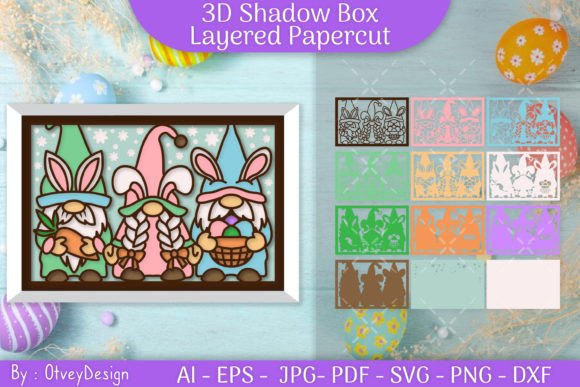
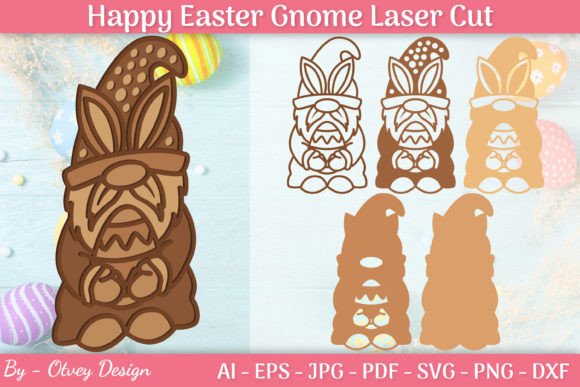
At its core, 3D Easter Gnome Layered Laser Cutting relies on the principle of stacking multiple two-dimensional shapes to create a three-dimensional illusion. Unlike a single-piece cutout, a layered design consists of several distinct components—such as the gnome’s hat, beard, face, and body—that are cut separately and then assembled. This method allows for the use of different materials or colors for each layer, enhancing the aesthetic appeal.
What makes this distinct from standard vector cutting is the precision required in alignment. Each layer must be designed with registration marks or specific overlap tolerances to ensure the final assembly looks cohesive. When you purchase a digital package for this purpose, you are not just buying an image; you are acquiring a engineered set of instructions that dictate how materials interact in physical space. The "3D" effect is achieved through the z-axis accumulation of material thickness, often ranging from 3mm to 6mm depending on the number of layers and the substrate used.
Evaluating File Formats: Compatibility and Utility
One of the most critical aspects of working with 3D Easter Gnome Layered Laser Cutting files is understanding the variety of formats provided. A comprehensive ZIP file typically includes AI, PDF, EPS, JPG, PNG, SVG, and DXF files. Each format serves a specific purpose in the workflow, and knowing which to use can significantly impact your efficiency.
- SVG (Scalable Vector Graphics): This is the gold standard for most hobbyist cutting machines like Cricut and Silhouette. SVGs retain their quality at any size and allow for easy separation of layers within the software. They are ideal for users who want to resize the gnome without losing detail.
- DXF (Drawing Exchange Format): Often preferred by users of industrial laser cutters or CAD-based software, DXF files provide precise geometric data. If you are using a high-powered CO2 laser or a fiber laser, DXF may offer better compatibility with your machine’s proprietary software.
- AI and EPS: These are professional-grade vector formats used primarily in Adobe Illustrator or CorelDRAW. If you plan to modify the design extensively—such as altering the shape of the gnome’s hat or adjusting the beard texture—starting with an AI or EPS file gives you the most control over anchor points and paths.
- PNG and JPG: While these are raster images and not suitable for cutting directly, they are invaluable for previewing the final look. Use these files to visualize color combinations before committing to expensive materials. They can also be used for sublimation printing if you decide to add printed details to the wooden layers.
- PDF: Useful for manual reference or printing templates for hand-cutting adjustments. It ensures that the visual layout remains consistent across different devices.
When evaluating a product listing, ensure that the provider offers this full suite of formats. Limiting yourself to only one format, such as PNG, would render the file useless for precision cutting, while lacking an SVG might complicate the process for casual crafters.
Comparing Layered Cutting to Alternative Decor Methods
To determine if 3D Easter Gnome Layered Laser Cutting is the right choice for your project, it is helpful to compare it with other common crafting approaches. Each method has distinct strengths and limitations regarding time, cost, and aesthetic outcome.
Layered Cutting vs. Single-Layer Vinyl Decals
Vinyl decals are a popular alternative for Easter decorations due to their low cost and ease of application. However, they lack the tactile depth and premium feel of layered wood or acrylic. Vinyl is best suited for smooth surfaces like glass or metal, whereas layered cutting allows for freestanding structures. If your goal is to create a centerpiece or a shelf sitter, layered cutting is superior. If you need to decorate a large surface area quickly, vinyl may be more efficient.
Layered Cutting vs. 3D Printing
3D printing offers true volumetric complexity, allowing for undercuts and organic shapes that laser cutting cannot achieve. However, 3D printing is generally slower and requires post-processing such as sanding and support removal. 3D Easter Gnome Layered Laser Cutting is faster for production runs and offers a cleaner, sharper aesthetic with natural material grains. Choose 3D printing if you need complex geometries; choose laser cutting if you prefer speed, material variety, and a crisp, graphic look.
Layered Cutting vs. Hand Crafting
Traditional hand crafting with scissors or knives allows for ultimate creative freedom but lacks consistency. For a single gift, hand crafting is charming. For selling at markets or creating uniform decor for an event, digital files ensure every gnome is identical. The initial investment in a cutting machine and digital files pays off in consistency and scalability.
Material Considerations and Assembly Tradeoffs
The success of a layered project depends heavily on material selection. Wood veneer, basswood, and acrylic are common choices. Wood offers a warm, rustic feel that aligns well with the whimsical nature of gnomes, but it requires careful handling to avoid burn marks during cutting. Acrylic provides a modern, vibrant look but can be prone to cracking if the fit is too tight.
A key tradeoff in 3D Easter Gnome Layered Laser Cutting is the balance between detail and durability. Intricate details, such as fine patterns in the gnome’s beard, look stunning but are fragile. If the item is intended for high-traffic areas or children, simplifying the design or using thicker materials may be necessary. Additionally, assembly time increases with the number of layers. A five-layer gnome will take significantly longer to glue and align than a two-layer version. Consider your available time and patience when selecting a design complexity.
Decision Factors: When to Choose Layered Files
Choosing to invest in 3D Easter Gnome Layered Laser Cutting files should be based on several practical factors. First, assess your equipment. Do you have access to a machine that can handle vector files with precision? If you are using a basic home printer, these files will not be useful. Second, consider your end goal. Are you creating a one-off piece or a batch of items for sale? The reusability of digital files makes them cost-effective for bulk production.
Furthermore, evaluate your skill level. While the files are designed to be user-friendly, assembling layered pieces requires attention to detail. If you are new to crafting, start with designs that have fewer layers and larger components. As you gain confidence, you can explore more intricate patterns. Finally, think about customization. One of the greatest advantages of digital files is the ability to tweak colors and sizes. If you have specific brand colors or space constraints, the ability to edit AI or SVG files provides flexibility that pre-made physical products cannot match.
Practical Tips for Successful Implementation
To maximize the value of your downloaded files, follow these best practices. Always perform a test cut on scrap material to verify dimensions and fit. Check the kerf width of your laser or blade, as this affects how tightly the layers fit together. Use high-quality adhesives suitable for your chosen material to ensure longevity. Lastly, keep your digital files organized. Labeling versions and noting any modifications you make will save time in future projects.
In conclusion, 3D Easter Gnome Layered Laser Cutting represents a versatile and rewarding approach to holiday decor. By understanding the file formats, comparing alternatives, and considering material tradeoffs, you can confidently integrate this technique into your crafting repertoire. Whether you are a seasoned professional or a curious beginner, the right digital resources can elevate your creations from simple cutouts to sophisticated, dimensional art.