Sea Turtle 3D Shadow Box SVG Guide
Creating layered paper art has become one of the most satisfying trends in the modern crafting community. At the heart of this movement is the Sea Turtle 3D Shadow Box SVG, a digital design that transforms flat sheets of cardstock into a vibrant, dimensional underwater scene. Whether you are a seasoned professional running a small business or a hobbyist looking for a relaxing weekend project, these files offer a perfect blend of artistic expression and technical precision.
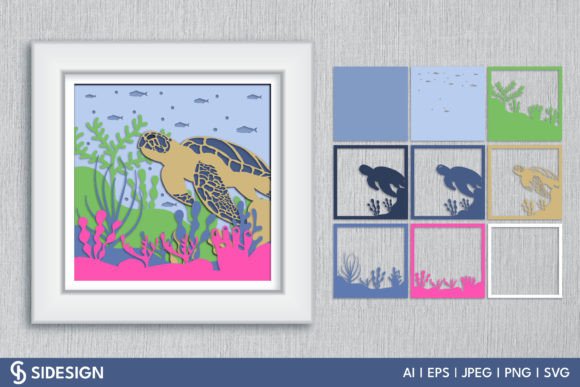
The appeal of shadow box art lies in its ability to tell a story through depth. Unlike standard two-dimensional cutouts, a 3D shadow box uses multiple layers of paper, spaced apart by foam tape or spacers, to create a sense of distance and perspective. The sea turtle design is particularly popular because it allows for beautiful color gradients, from the deep blues of the ocean background to the intricate patterns on the turtle’s shell. This guide explores how you can utilize these designs effectively, what makes them valuable, and how to get the best results from your cutting machine.
Understanding the Digital Files
When you purchase or download a Sea Turtle 3D Shadow Box SVG, you are not just getting a single image. You are receiving a comprehensive toolkit designed for versatility. The package typically includes several file formats to ensure compatibility with various software and hardware setups. Understanding what each format offers can significantly streamline your workflow.
- SVG (Scalable Vector Graphics): This is the most common format for crafters using machines like Cricut or Silhouette. It retains quality at any size and allows you to manipulate individual layers within your design software.
- AI (Adobe Illustrator): Ideal for professional designers who use Adobe Creative Cloud. This format allows for advanced editing and customization of vector paths.
- EPS (Encapsulated PostScript): A universal vector format that works with many professional design programs, ensuring high-quality scaling without pixelation.
- JPEG and PNG: These are raster images. While they cannot be scaled infinitely like vectors, they are perfect for previewing the design, creating digital mockups for social media, or printing sublimation designs if you choose a different application method.
Having access to all these formats means you are prepared for any creative direction. If you decide to resize the turtle for a massive wall display or shrink it for a delicate greeting card, the vector files ensure your cuts remain crisp and clean.
Why Choose a Sea Turtle Theme?
The ocean is a timeless source of inspiration, but the sea turtle holds a special place in decorative art. Symbolizing longevity, wisdom, and protection, sea turtles resonate with a wide audience. From a design perspective, the organic shapes of the turtle’s flippers and shell provide an excellent opportunity to practice layering techniques. The curves allow light and shadow to play across the layers, enhancing the 3D effect.
For entrepreneurs and small business owners, this theme is commercially viable. Coastal decor, nursery art, and eco-friendly gift items are consistently in demand. A well-executed Sea Turtle 3D Shadow Box SVG can be sold as a finished framed piece, a DIY kit, or even adapted for other products like t-shirts or mugs using the included JPEG and PNG files.
Compatibility with Cutting Machines
One of the greatest advantages of these designs is their optimization for popular craft cutting machines. Whether you use a Silhouette, Cricut, or another brand, the files are structured to minimize weeding time and maximize accuracy.
These designs are great for use with craft cutting machines because the layers are pre-separated. In a complex shadow box, you might have five to ten different layers. Manually separating these in design software can be tedious and error-prone. With a professionally created SVG, each layer is already assigned to its own color or group. This means you can load your cardstock, hit "make," and trust that the machine will cut the exact pieces needed for each depth level.
For beginners, this reduces the intimidation factor. You do not need advanced knowledge of vector editing to start. Simply import the SVG into your machine’s native software, assign the cut lines to your material settings, and begin. The precision of modern cutting machines ensures that even the intricate details of the turtle’s scales or the surrounding bubbles are cut cleanly, which is essential for a polished final look.
Practical Applications and Use Cases
The versatility of the Sea Turtle 3D Shadow Box SVG extends beyond traditional framing. Here are several ways you can incorporate this design into your personal or professional projects:
- Home Decor: Create a stunning focal point for a living room or bathroom. Using varying shades of blue cardstock for the background layers creates a realistic ocean depth effect. Add LED strip lights behind the frame for a glowing, aquarium-like ambiance.
- Educational Projects: Educators can use these designs to teach students about marine life, geometry, and spatial awareness. Assembling the shadow box requires planning and fine motor skills, making it an excellent STEM-related art activity.
- Custom Gifts: Personalize the design by adding names or dates in the foreground layer. It makes for a thoughtful housewarming gift, baby shower present, or memorial piece for nature lovers.
- Commercial Products: Small business owners can use the AI or EPS files to modify the design for laser cutting wood or acrylic, expanding their product line beyond paper crafts. The JPEG and PNG files are also useful for creating digital listings and marketing materials.
Tips for Successful Assembly
While the digital file provides the blueprint, the physical assembly brings the art to life. To ensure your Sea Turtle 3D Shadow Box SVG project looks professional, consider these practical tips:
Material Selection: Use high-quality cardstock with a weight of 65lb to 80lb. Heavier paper holds its shape better and reduces the risk of warping over time. Matte finishes often look more sophisticated in shadow boxes than glossy ones, as they reduce unwanted reflections under glass.
Layer Spacing: The 3D effect relies on the space between layers. Use foam adhesive squares or specialized spacer strips. For a subtle effect, use thin spacers; for a dramatic, deep look, stack multiple foam squares. Consistency is key—ensure each layer is evenly spaced to maintain the perspective.
Color Grading: Pay attention to the color transition. Start with the darkest shade at the back and gradually move to lighter shades towards the front. This mimics how light penetrates water and enhances the illusion of depth. The sea turtle itself should contrast well with the background layer immediately behind it to ensure it stands out.
Weeding and Cleanup: Take your time when removing the excess paper (weeding). Use a sharp weeding tool or tweezers for small details like the bubbles or intricate shell patterns. A clean cut is essential for the layers to sit flush against each other.
Important Considerations Before Starting
Before diving into your project, it is wise to review the license terms associated with your Sea Turtle 3D Shadow Box SVG. Most designers allow personal use freely, but commercial use may require an extended license. Always check the specific terms provided with your download.
Additionally, consider the size of your final piece. Larger frames require more precise alignment. If you are a beginner, start with a smaller frame, such as 8x10 inches, to master the layering technique before attempting larger, more complex displays. Ensure your cutting machine’s mat is clean and sticky enough to hold the cardstock firmly, preventing any shifts during the cutting process that could misalign the layers.
By understanding the tools, materials, and techniques involved, you can transform a simple digital file into a breathtaking piece of art. The Sea Turtle 3D Shadow Box SVG is more than just a craft supply; it is an invitation to explore creativity, patience, and the beauty of the natural world through the medium of paper.