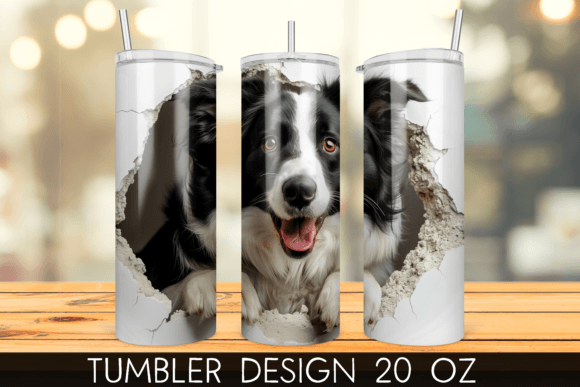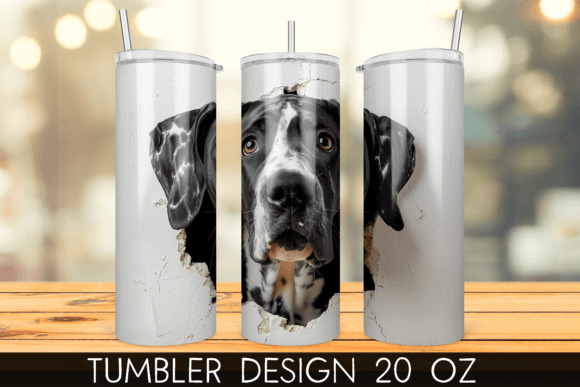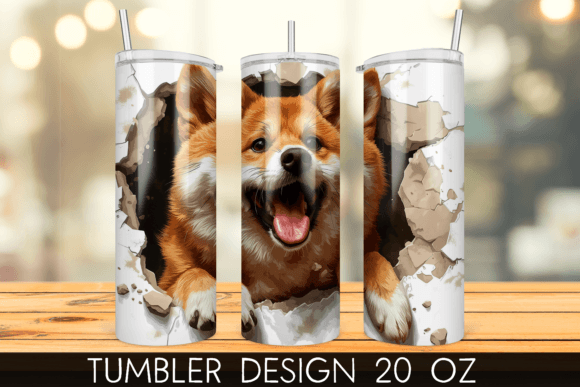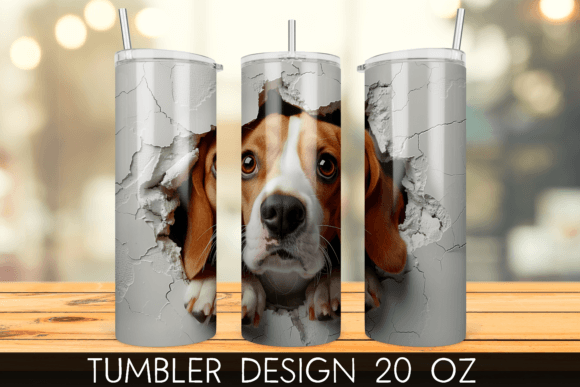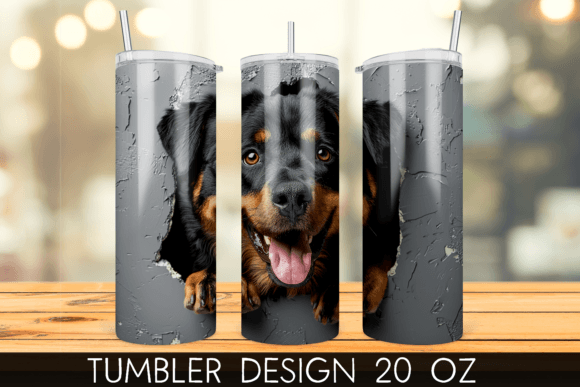
Mastering the 3D Rottweiler Hole in a Wall Tumbler Design: A Guide to Sublimation Printing
In the rapidly evolving world of custom merchandise, few trends have captured the imagination of crafters and small business owners quite like sublimation printing. Among the most popular items for this technique is the 20-ounce skinny tumbler. However, what truly sets a product apart in a saturated market is the design itself. Enter the 3D Rottweiler Hole in a Wall Tumbler design—a creative, eye-catching graphic that leverages optical illusions to create depth and personality. This article explores the intricacies of using this specific digital asset, from technical specifications to practical application, helping you understand how to transform a simple PNG file into a professional-grade product.
Understanding the Appeal of 3D Illusion Designs
The concept behind the "hole in the wall" or "breakthrough" design is rooted in visual psychology. By creating the illusion that the surface of the tumbler has been shattered or broken away to reveal something underneath—in this case, a loyal and spirited Rottweiler—designers tap into a viewer’s curiosity. This style of art is not just about aesthetics; it is about storytelling. For dog lovers, particularly those who adore the strength and loyalty of Rottweilers, this design serves as a badge of pride.
When applied to a cylindrical object like a tumbler, the 3D effect becomes even more dynamic. As the user rotates the cup, the perspective shifts, enhancing the illusion of depth. This interactivity makes the item more engaging than a standard flat print. In modern consumer culture, where personalization is key, such unique designs offer a way for individuals to express their identity through everyday objects. Whether used for morning coffee, gym water, or office hydration, the tumbler becomes a conversation starter.
Technical Specifications: Why Resolution and Dimensions Matter
To achieve a crisp, professional result, understanding the technical requirements of your digital file is paramount. The listing for this specific Rottweiler tumbler wrap provides a high-resolution PNG file at 300 DPI (Dots Per Inch). But why is this number so critical?
DPI refers to the density of printed dots within a square inch. For sublimation printing, 300 DPI is the industry standard for high-quality output. If you were to use a lower resolution image, such as 72 DPI (common for web images), the final print would appear pixelated, blurry, or amateurish. The sharpness of the Rottweiler’s fur, the texture of the "broken" wall, and the clarity of any text elements depend entirely on this high-resolution source file.
Furthermore, the dimensions are specified as 9.3″ x 8.2″. These measurements are not arbitrary. They are calculated to fit the printable area of a standard 20-ounce skinny tumbler perfectly. However, it is crucial to note that you will need to resize the design to match these exact dimensions in your editing software before printing. Failing to do so can result in stretching, distortion, or misalignment of the wrap around the cup.
The Importance of the PNG Format
The file provided is a PNG (Portable Network Graphics) with a transparent background. This is a significant advantage for sublimation designers. Unlike JPEGs, which always have a white or colored background, PNGs allow you to place the design over any base color or pattern without unwanted boxes or borders. This transparency ensures that the "hole" effect blends seamlessly with the tumbler’s surface, maintaining the integrity of the 3D illusion.
Step-by-Step Guide to Using the Sublimation Design
For those new to sublimation, the process might seem daunting, but it is quite straightforward when broken down into logical steps. Here is how you can utilize this digital download effectively:
- Download and Save: After purchasing the digital listing, save the high-resolution PNG file to an easily accessible folder on your computer. Remember, no physical product is shipped; you are acquiring the intellectual property rights to use the design.
- Resize the Image: Open your preferred design software (such as Adobe Photoshop, Illustrator, Canva, or Silhouette Studio). Import the PNG file. Resize the canvas or image to exactly 9.3 inches wide by 8.2 inches tall. Ensure that the aspect ratio is locked if necessary to prevent distortion, though the provided file should already be proportioned correctly for this size.
- Mirror the Design: This is a critical step often overlooked by beginners. Sublimation printing requires the image to be mirrored (flipped horizontally) before printing. If you skip this, your Rottweiler and text will appear backward on the tumbler.
- Print on Sublimation Paper: Use high-quality sublimation paper and sublimation ink. Standard inkjet printers will not work unless they have been converted with sublimation ink cartridges. Print the mirrored design onto the paper.
- Prepare the Tumbler: Clean your 20oz skinny tumbler with alcohol to remove any oils or dust. Wrap the printed paper around the tumbler, ensuring it is smooth and tight. Secure it with heat-resistant tape.
- Apply Heat: Use a tumbler heat press or an oven with a rotating mechanism. Follow the recommended time and temperature settings for your specific tumbler coating (typically around 380°F for 180–200 seconds, but always check manufacturer guidelines).
- Cool and Reveal: Once the heating cycle is complete, carefully remove the tumbler and let it cool. Peel off the paper to reveal your vibrant, durable 3D Rottweiler design.
Practical Relevance for Creators and Businesses
Why should a crafter or small business owner invest in a specific design like this? The answer lies in niche marketing. The pet industry is massive, and dog owners are known for their willingness to purchase customized items that reflect their love for their pets. By offering a specialized design like the 3D Rottweiler wrap, you target a specific, passionate audience rather than competing in the generic "dog lover" market.
Moreover, digital downloads offer a low-risk entry point for entrepreneurs. Since there is no inventory cost for physical goods, you can test various designs to see what resonates with your customers. This particular design, with its high-quality 3D effect, adds perceived value to the final product, allowing for higher profit margins compared to simple, flat graphics.
Common Misunderstandings in Sublimation
One common assumption is that any printer can handle sublimation. This is false. You must use a printer equipped with sublimation ink. Another misconception is that the design will look the same on all tumblers. In reality, the base color of the tumbler affects the final outcome. Since this design likely features dark tones for the Rottweiler and the shadowed "hole," it works best on light-colored or white tumblers. Using it on a black tumbler would obscure the details unless the design includes a white underbase, which is not typical for standard sublimation PNGs.
Additionally, some users assume that resizing is optional. It is not. Printing at the wrong size will lead to waste—both in terms of expensive sublimation paper and ink, as well as the tumbler itself. Precision is key to professionalism.
Conclusion
The 3D Rottweiler Hole in a Wall Tumbler design represents more than just a pretty picture; it is a tool for creative expression and business growth. By understanding the technical nuances—such as the importance of 300 DPI resolution, the necessity of mirroring, and the precise 9.3″ x 8.2″ dimensions—you can ensure high-quality results every time. Whether you are a hobbyist looking to make personalized gifts or an entrepreneur building a brand, mastering the use of such digital assets is a valuable skill. Embrace the technology, respect the process, and let your creativity shine through every wrap.