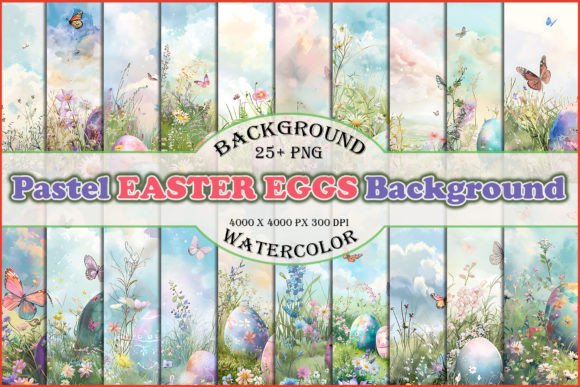
3D Easter Bunny Crack Hole Background: Elevating Digital and Print Designs
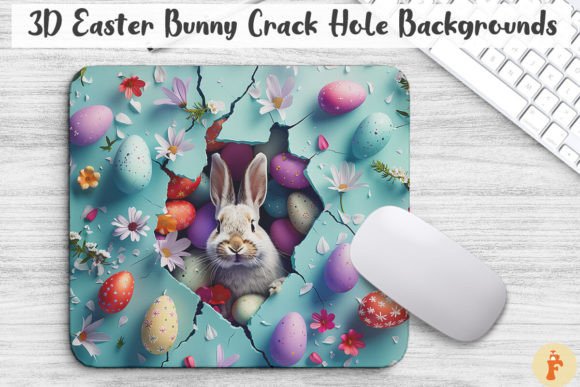
Visual impact is everything in today’s saturated digital landscape. Whether you are scrolling through social media feeds or browsing online marketplaces, the designs that stop you in your tracks are often those that play with depth, perspective, and surprise. This is precisely where the 3D Easter Bunny Crack Hole Background shines. It is not just a static image; it is an optical illusion designed to create a sense of three-dimensional space on a two-dimensional surface. By combining the playful, recognizable imagery of an Easter bunny with the dramatic effect of a cracked surface revealing a hidden depth, this graphic asset offers a unique way to capture attention during the spring holiday season.
For designers, crafters, and content creators, understanding how to leverage this specific type of 3D design can transform ordinary projects into standout pieces. The appeal lies in its versatility. It bridges the gap between whimsical holiday themes and modern, edgy graphic design trends. Instead of relying on traditional pastel eggs and soft flowers, this background introduces a dynamic element that suggests movement and discovery. It invites the viewer to look closer, creating a moment of engagement that flat designs often struggle to achieve.
Real-World Applications for Creators and Businesses
The utility of 3D Easter Bunny Graphics extends far beyond simple decoration. Because the design is provided as a high-resolution PNG file, it integrates seamlessly into a wide variety of professional and personal projects. Here is how different audiences can benefit from incorporating these crack hole backdrops into their workflow.
Social Media and Digital Marketing
In the realm of digital marketing, stopping the scroll is the primary objective. Social media managers and influencers can use Bunny Crack Hole Backdrops to create eye-catching posts for Instagram, Facebook, and Pinterest. Imagine a promotional graphic for an Easter sale where the discount code appears to be emerging from the crack in the ground. The 3D effect adds a layer of sophistication and intrigue that standard banners lack. These images work exceptionally well for story highlights, profile backgrounds, or as the base layer for animated video content. The high resolution ensures that even when cropped for different aspect ratios, the image remains crisp and professional.
Print-on-Demand and Merchandise
For entrepreneurs running print-on-demand businesses, this design offers a fresh take on seasonal merchandise. While traditional Easter items often feature cute, flat illustrations, a 3D crack hole design appeals to a broader demographic, including teens and adults who appreciate a more modern aesthetic. You can apply this graphic to mouse pads, t-shirts, hoodies, and phone cases. The "crack" effect creates a natural focal point, allowing for additional text or logos to be placed within the void without cluttering the design. Since the file is approximately 15.5 x 13.6 inches at 300 DPI, it is ready for high-quality printing on various substrates. The ability to resize the design without losing quality means you can adapt it for larger items like tote bags or throw pillows with confidence.
Event Invitations and Stationery
Planning an Easter egg hunt, a spring brunch, or a family gathering? Custom invitations set the tone for the event. Using Crack Hole Backgrounds allows hosts to create invitations that feel interactive and fun. The 3D illusion can be used to frame the event details, making the text pop against the textured background. For scrapbookers and paper crafters, this PNG file can be printed and cut out to create layered cards. The visual depth of the image complements physical layering techniques, adding a professional touch to handmade stationery. It is a perfect solution for those who want to move away from cliché holiday motifs while still maintaining a festive spirit.
Technical Considerations and Best Practices
To get the most out of your 3D Easter Bunny Crack Hole Background, it is essential to understand the technical specifications and limitations of the file. The design is delivered as a ZIP archive containing a single PNG file. This format is chosen for its balance of quality and compatibility. PNG files support transparency, which is crucial for overlaying the design onto different colored backgrounds or integrating it into complex compositions. However, it is important to note that these are not SVG files. If you are used to working with vector graphics for cutting machines like Cricut or Silhouette, you will need to adjust your expectations. This is a raster image, meaning it is made of pixels, not paths. Therefore, it is not suitable for die-cutting or vinyl applications unless you trace it manually, which may compromise the detailed 3D shading.
Before starting your project, ensure you have the necessary software to unzip the downloaded file. Both PC and Mac users can easily extract the contents using built-in tools. Once extracted, you can open the PNG in any image editing software, from professional suites like Adobe Photoshop to free alternatives like GIMP or Canva. The high resolution of 300 DPI is ideal for print projects, ensuring that edges remain sharp and colors stay vibrant. For web use, you may want to compress the file slightly to improve loading speeds, but always keep a master copy of the original high-res version for future needs.
Color accuracy is another factor to consider. Screens and printers interpret color differently. What looks vibrant on your monitor may appear slightly muted when printed, depending on the printer’s calibration and the type of paper used. It is always wise to print a test sheet if you are producing large batches of merchandise or invitations. This allows you to adjust brightness and contrast settings to match your desired output. Additionally, while the design can be resized, scaling it up significantly beyond its original dimensions may result in pixelation. Stick to resizing within reasonable limits to maintain the integrity of the 3D effect.
Why Choose 3D Effects for Holiday Design?
Holiday markets are crowded with similar themes. Every year, consumers are bombarded with the same bunnies, chicks, and eggs. Using 3D Easter Bunny Graphics helps your work stand out by introducing a element of surprise and modernity. The crack hole effect taps into a psychological curiosity; humans are naturally drawn to illusions and things that appear to break the rules of physics. This makes the design memorable. When a customer sees a product or a post that looks different, they are more likely to engage with it, share it, or purchase it.
Furthermore, this type of design is incredibly adaptable. It does not dictate a specific color palette for the rest of your project. You can pair the bunny and the crack with bright pastels for a traditional feel, or with dark, moody tones for a more edgy, contemporary look. This flexibility makes it a valuable asset in any designer’s toolkit, not just for Easter but potentially for other themes if modified creatively. The key is to let the 3D element serve as the anchor of your design, building the rest of your composition around it to enhance the illusion of depth.
Ultimately, the 3D Easter Bunny Crack Hole Background is more than just a decorative image. It is a tool for engagement, a statement of modern design sensibility, and a versatile resource for a wide range of creative projects. Whether you are designing a social media campaign, creating custom merchandise, or crafting personalized invitations, this graphic offers the visual punch needed to make your work noticed. By understanding its technical requirements and exploring its diverse applications, you can unlock new levels of creativity and effectiveness in your Easter-themed designs.